
A well-designed outdoor space doesn’t start with materials. It starts with intention. The goal is not to fill the area, but to shape it into something that feels natural to use every day.
Before choosing a style, define how the space should work. A quiet, private area feels very different than a space designed for guests or outdoor activities.
Focus on what matters:
Clear purpose removes unnecessary decisions later.
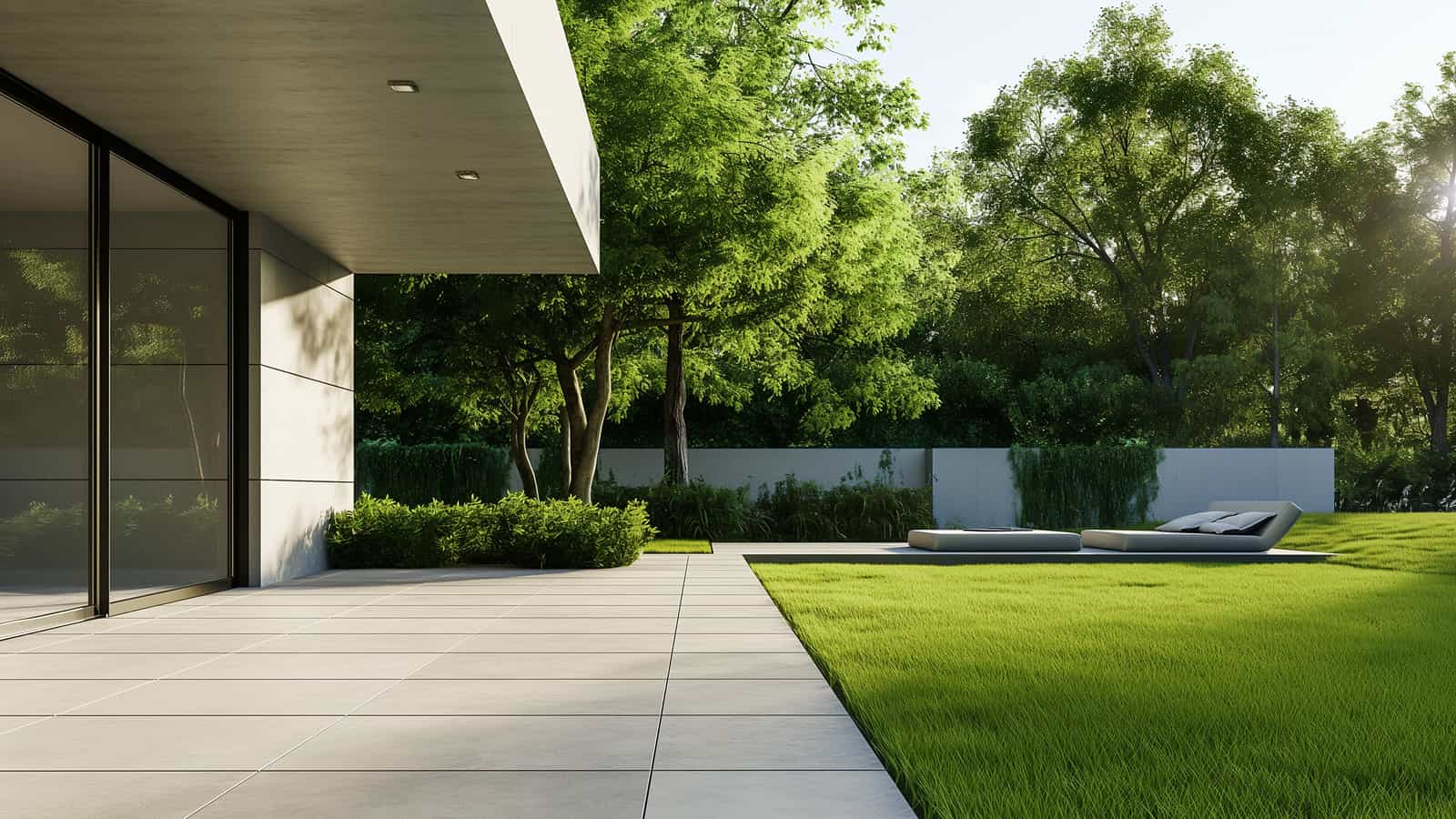
Treat the space as a set of zones, not one open area. Even a simple layout feels more intentional when each part has a role.
Separate areas for movement, rest, and greenery. Keep transitions smooth. The space should guide you without effort.
Treat the space as zones, not one open area.
Too many elements create noise. Too many materials break clarity.
Keep it restrained. Repeat shapes, limit the palette, and allow space to stay empty. Balance comes from what you leave out.
Outdoor spaces change. Plants grow, materials age, seasons shift the mood.
Design with that in mind. Leave room for growth and keep maintenance simple. A space should become easier to live with over time.
Details should support the structure, not define it. Lighting, accents, and small focal points work best when everything else already feels right.
Good design feels quiet. Nothing stands out, but everything works. The space supports daily life without demanding attention.